

When we have four-legged family members roaming our homes, it’s important to make sure any plants within paws-reach are non-toxic. Both dogs and cats alike can get very sick from ingesting poisonous plants, and the toxicity will mainly affect their gastrointestinal tract. Some symptoms include difficulty breathing, drooling, vomiting, diarrhea, excessive urination, and irregular heart beat. If you suspect that your pet has ingested a toxic plant, call the Pet Poison Hotline at (855) 764-7661 right away!
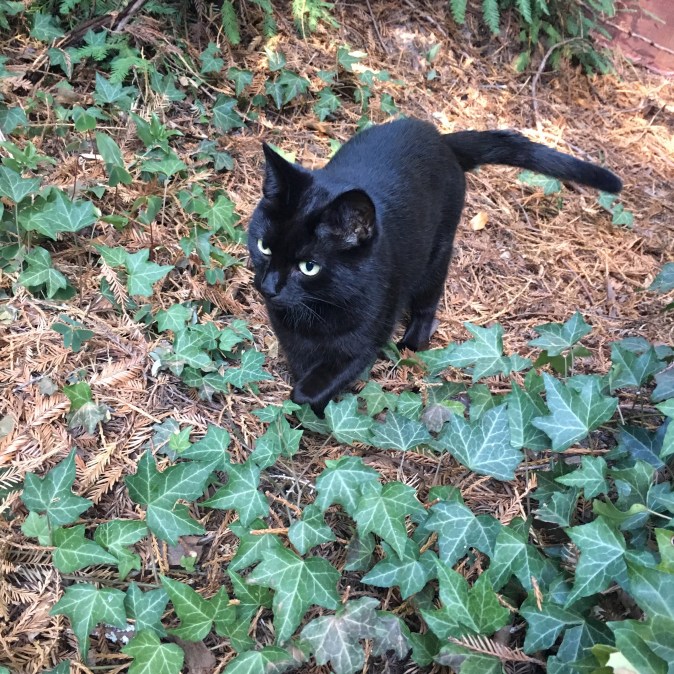
Onyx amongst ivy
In the following lists, you might see a “spp.” (plural), which is used to refer to multiple plants in the same genus, or “several species”. For example, “Dracaena spp.” refers to multiple species within the Dracaena plant genus. If you would like further clarification regarding the confusion surrounding plant names, please see my super nerdy post, Common Name Confusion.
The following list includes, but is not limited to, common houseplants that are TOXIC to dogs and cats:
Note: For safety purposes, please assume all plant species of the same genus would be toxic to pets. So for example, Monstera deliciosa is toxic to pets; therefore, it’s safe to say that all ~50 species of Monstera would also be, e.g. Monstera adansonii.
- Alocasia
- Amaryllis
- Aloe vera
- Begonia
- Caladium
- Coleus
- Dracaena spp.
- English Ivy, Hedera helix
- Jade
- Kalanchoe spp.
- Lavender
- Marijuana
- Mint
- Peace Lily, Spathiphyllum wallisii
- Pencil Cactus, Euphorbia tirucalli
- Poinsettia
- Pothos, Epipremnum aureum
- Sago Palm
- Satin Pothos, Scindapsus pictus
- Snake Plant, Sansevieria trifasciata
- Swiss Cheese Plant, Monstera deliciosa
- Umbrella Tree, Brassaia actinophylla
- Wandering Jew, Tradescantia flumeninsis
- Weeping Fig, Ficus benjamina
- Yew, Taxus baccata
If you can’t live without some of these plants, I don’t blame you. I can’t either. But be sure to keep them out of reach. Keep them off any counters or shelves where your feline friends can get to. For example, keep your Pothos, English Ivy, or Wandering Jew trailing along the ceiling where your cat can only admire them from afar. You could even consider keeping your toxic plants in a room that is off-limits to your pet. If your pet is strictly indoors, depending on the plant and your hardiness region, you could keep it outside.
Another thing you can try, is to make a tea with chili flakes. Let it cool, put it in a spray bottle, and spray on the leaves to deter your pet from ingesting toxic plants that are impossible to keep away from them. Test in an inconspicuous area first to make sure no damage will be done to the appearance of the leaves.
Here is a list of NON-TOXIC common houseplants for dogs and cats:
- Air Plant, Tillandsia
- African Violet
- Asparagus Fern, Asparagus densiflorus
- Asparagus plumosus
- Bamboo
- Boston Fern
- Button Fern
- Calathea spp.
- Donkey’s Tail, Sedum morganianum
- Ghost Plant, Graptopetalum paraguayense
- Goldfish Plant, Hypocyrta nummularia
- Haworthia spp.
- Hens and Chicks, Echeveria elegans
- Holiday Cactus (includes “Thanksgiving Cactus”, “Christmas Cactus”, and “Easter Cactus”)
- Ice Plant, Lampranthus piquet
- Lipstick Plant, Aeschynanthus humilis
- Parlor Palm, Chamaedorea elegans
- Peperomia obtusifolia
- Pilea ssp.
- Rattlesnake Plant, Calathea lancifolia
- Spider Plant, Chlorophytum comosum
- Staghorn Fern, Platycerium bifurcatum
I try to keep my cats away from all my plants, just because I don’t like how the leaves look when masticated by feline fangs. Wheatgrass specifically grown for cats can help curb their appetite for your ornamental houseplants. As Jackson Galaxy would say, “follow a no with a yes”.
Pet Wheatgrass Growing Kit, $15.97


A note about bamboo: My cats love it. The minute they go outside, they love chomping down on my several bamboo plants. They’ll visit each variety like they’re at a salad bar. Oh is it annoying! But after all, bamboo is a grass, which in small amounts actually helps them with digestion.

Siyah amongst plants
~CRK.
If you enjoyed what you read and don’t ever want to miss a post, securely sign-up for my e-mail list here.
All photo rights belong to Cristie R. Kiley. Please ask permission before taking.
Disclosure: This post contains an Amazon affiliate link, which means I earn a small commission if purchased, at no additional cost to you. This is to simply offset the cost of running this website. Please note that all of the above statements are entirely my own, honest opinions that are derived from personal experience. I would never endorse such products if they didn’t work or if I didn’t see real, positive results. Buy with confidence!
References:
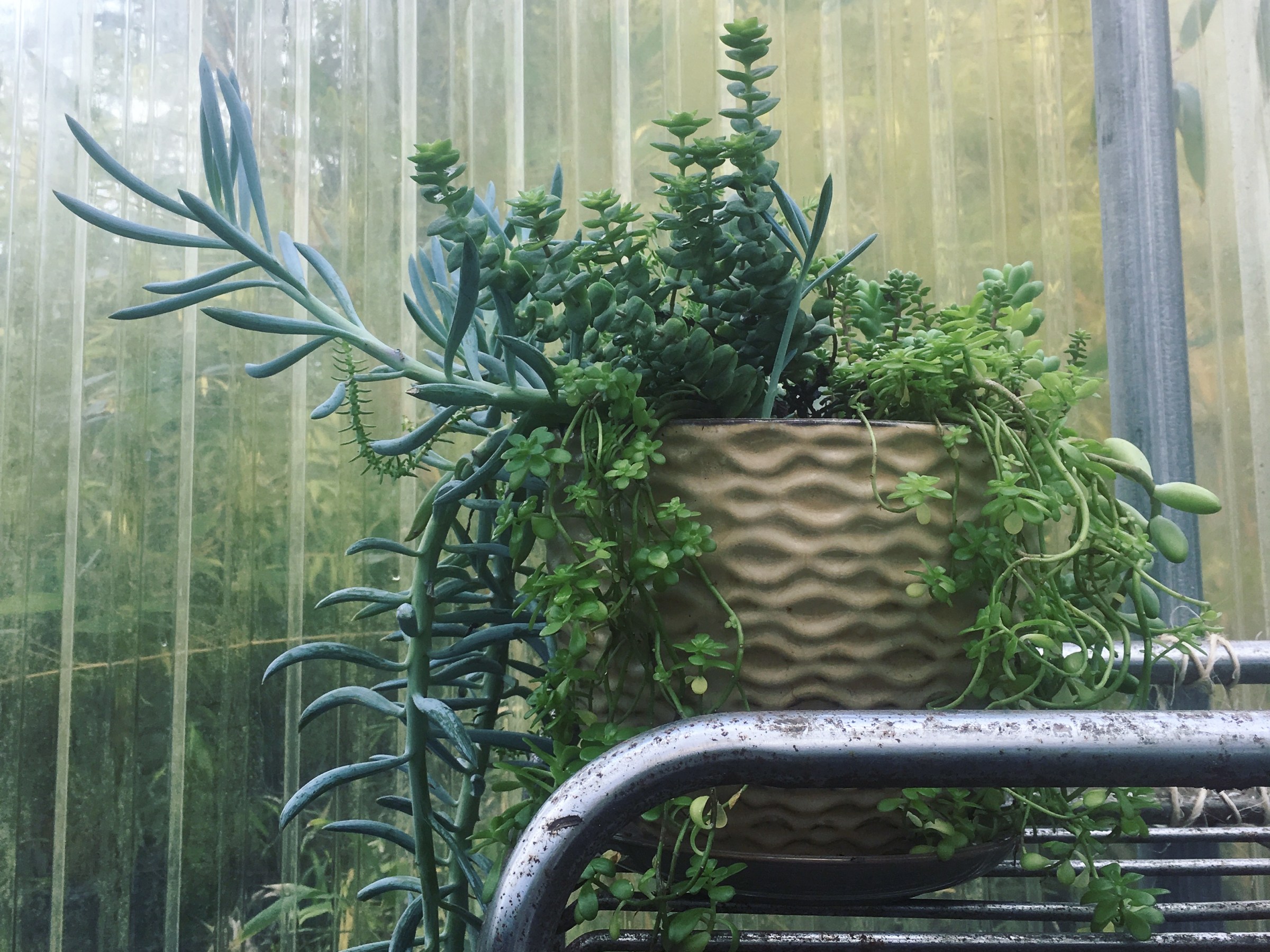
I was faced with a conundrum. With the California winter rains upon us, it has been continuously wet outside, and my succulents were getting very soggy. As I’ve previously mentioned, I live deep in a redwood forest with limited light. I do use LED grow lights that help tremendously, but since my cabin is less than 700 square feet, I’ve ran out of room for winter plant protection. I was getting overwhelmed with the fear of root rot, and I had an epiphany that has now become a reality. I considered an untapped resource: vacant greenhouse space at my work. Warm, dry, and bright greenhouse space.
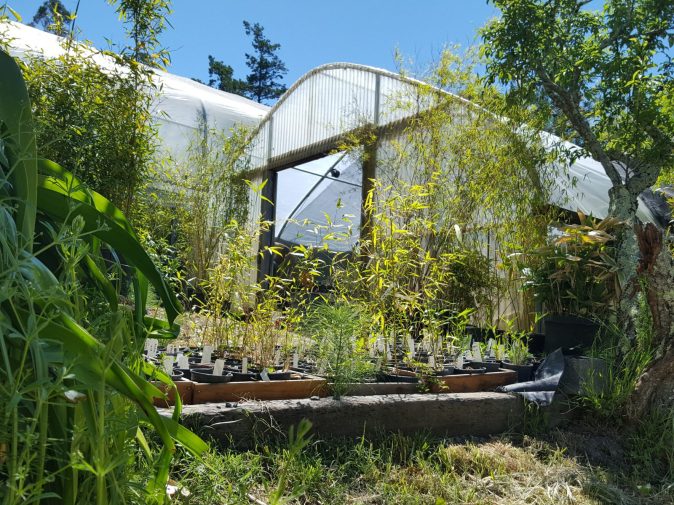
I was a little heartbroken to take my plants away from their home, but I was comforted by the knowingness that they would be a lot better off in this space, at least just for the dark and dreary winter. So I loaded them carefully in my car and brought them to work with me! It’s like having a built-in preschool for your kids at your job. I’ve been visiting them on my lunch breaks.


It took two trips in my tiny VDub Cabrio.
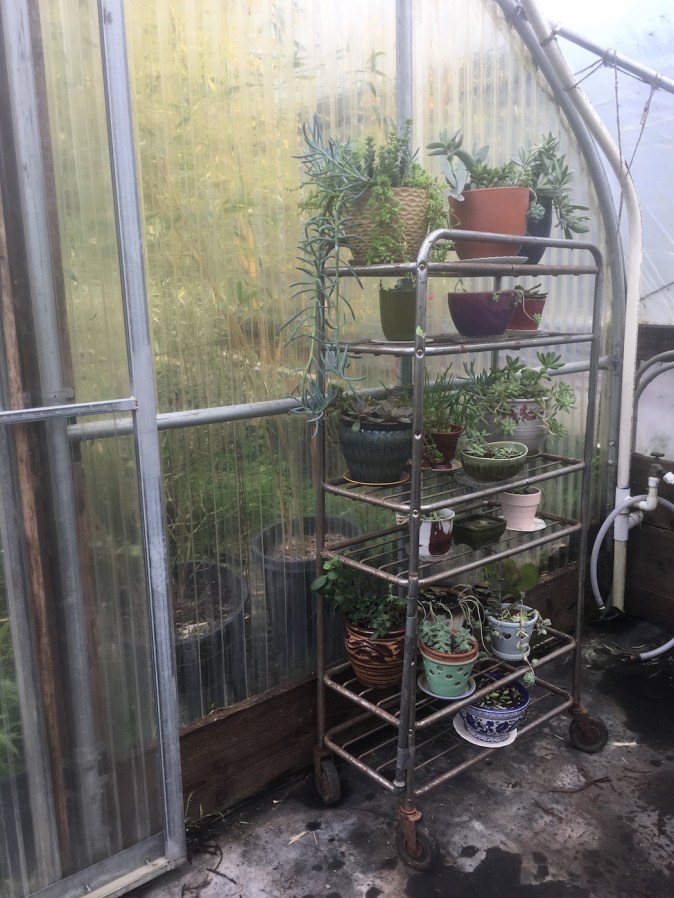
Day 1
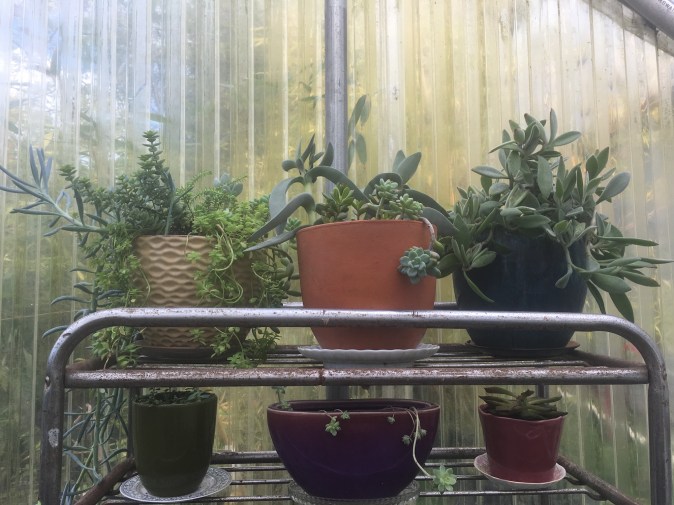
After seeing how they’ve responded after only three weeks, they probably don’t ever want to move out! They’re so much happier!
At home, these succulents were soaking wet and some were starting to rot at the base. They also lost a lot of their vibrant colors due to being in an area with only part-sun. They weren’t yellow or dying by any means, and I wouldn’t even go so far as to say that they were unhealthy. They just weren’t performing at their optimum level. Even after only three weeks, I’ve noticed a lot of the vibrancy in their leaf color returning. The best example is on this Pachyveria glauca ‘Little Jewel’. I’m sure after more time goes by, the intensity of saturation will increase. I was actually amazed to see this great of a difference in such a short period of time.


Another big difference I’ve noticed is the growth pattern of this Echeveria ‘Imbricata’. These cuttings were starting to stretch a little bit, but as soon as I brought them to the greenhouse, they have gone back to their normal rosette form at the top. I will propagate the heads off soon so the plant doesn’t remain deformed.

Though it feels like I may have an empty nest at home in the redwoods, I am happier knowing my plant babies are happier. For the record, I just did a headcount of my indoor houseplants remaining (not including the ones in my greenhouse or office), and the number is 104. Empty nest my ass.
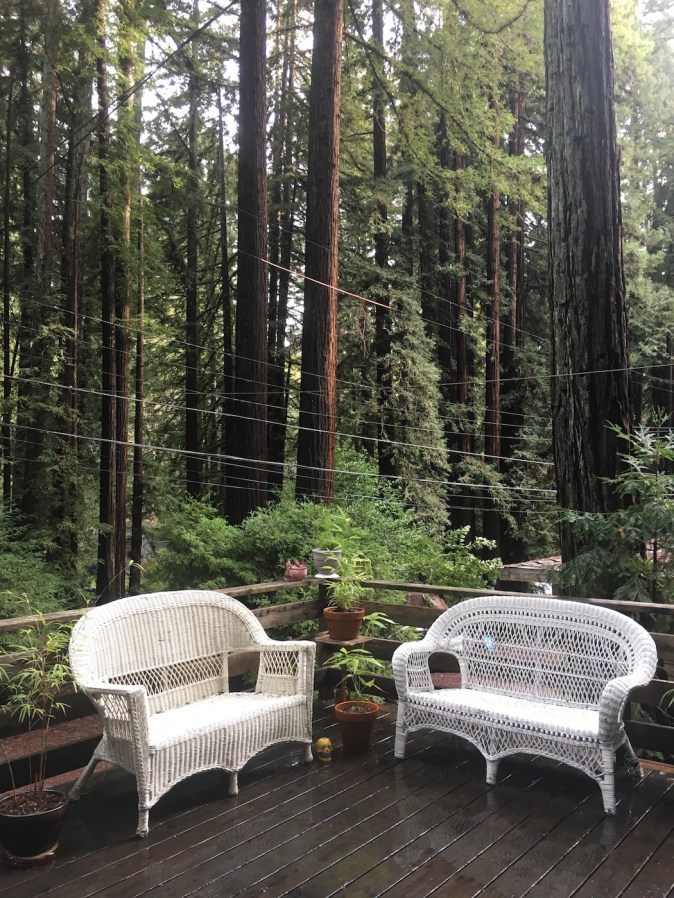
Click here to read about exciting new color changes!
Echeveria ‘Imbricata’, fixed:
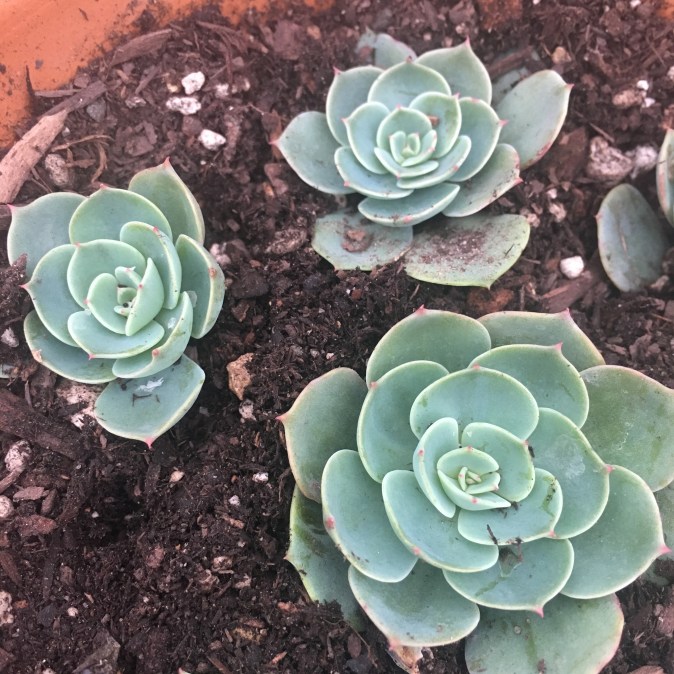
Echeveria ‘Imbricata’ head cuttings
~CRK.
If you enjoyed what you read and don’t ever want to miss a post, securely sign-up for my e-mail list here.

All seven of these plants have stood the test of time. Out of my 100+ houseplants, I’ve never had an issue with any of the plants on this list whatsoever. They adapt to a variety of conditions, they are easy-going, and they all require very low maintenance. If you’re a beginner, if you have two black thumbs, or if you just don’t have the time, these plants won’t leave your side. Do you travel a lot and need plants you can leave up to a month at a time? Buy these plants, then forget about them.
Here’s your nursery shopping list:
1. ZZ Plant

The “ZZ” stands for its scientific name, Zamioculcas Zamiifolia. And you can totally ZZZ on this plant, and it will still flourish. This plant would likely survive an apocalypse, along with the cockroaches. It is truly indestructible. They are pretty popular in nail salons, Vietnamese restaurants, and laundromats. They need very little light to not only survive, but thrive. You could go without watering yours for 2-3 months, and it would be fine. That is because the ZZ Plant stores all of its necessary water in its rhizomes for an extended period of time. At the same time, as long as it doesn’t get direct sunlight, it will also tolerate bright indirect light and waterings 2x/month. It isn’t picky.
I live in a redwood forest with tall, towering trees that produce a lot of shade, and mine lives in my dark, North-facing bathroom set aside from the frosted window. After a year in this spot, it’s as happy as a cockroach galavanting around a natural disaster battleground. It’s dark green, still has its form, and pumps out new growth from time to time.
If you need to catch up on some ZZZ’s and don’t have time for finicky plants, the ZZ Plant is for you!
2. Sansevieria

All varieties.
Pictured above from left to right:
1. Sansevieria cylindrica var. patula ‘Boncel’
2. Sansevieria cylindrica var. patula ‘Boncel’
3. Sansevieria trifasciata ‘Laurentii’
4. Sansevieria ‘Fernwood Punk’
5. Sansevieria trifasciata
(Read about how I rescued the last variety from a deep, dark cranny at the back of senior center hospice shop here!)
Sansevierias have few needs. They adapt to a wide range of lighting, and you can pretty much ignore them (within reason). Because they are a succulent, they are prone to root rot. Just make sure the soil is dry between waterings, but you can go without watering these for at least a month. I’ve gone 2 months before, and it didn’t flinch! I’ve also accidentally left mine in standing water for over a week, replanted it in dry soil, and it didn’t even notice. They do prefer more shady locations, but they won’t complain about bright spots either. Just make sure they don’t get direct sun.
Can anyone say “simple Sansevieria”?
3. Holiday Cactus

Also known as Schlumbergera truncata ‘Sunset Dancer’, or “Thanksgiving Cactus”. Not to be confused with “Christmas Cactus” or “Easter Cactus”, Schlumbergera bridgesii and Hatiora gaertneri respectively.
Whatever its scientific name, it’s a baller. Holiday Cactus is a type of epiphytic cacti, meaning it grows on trees in Central and South American rainforests. It is not a typical cactus that grows in arid environments with full-sun. Holiday Cactus prefers to be in part-shade, but it will tolerate more sun in the cooler months. Just don’t put it in full-sun in the summer. It can be grown outdoors in mild climates, but it will need protection under 40 degrees F.
I bought mine when it wasn’t blooming, in August 2017. Native to Brazil, it blooms in May. Cultivated in the Northern Hemisphere, it blooms in November. The first year I had it, it didn’t bloom during the Thanksgiving holiday like it’s supposed to, but it bloomed two flowers in January the following year. It laid dormant until August of 2018, which is when the entire plant exploded with flowers! Even though my Holiday cactus doesn’t seem to have the holiday spirit, I still love it. It’s so easy to care for, and it’s beautiful.
4. Zebra Plant

Also known as Haworthiopsis attenuata.
Looks like an aloe, right? Well it’s not, but it is very closely related. Haworthiopsis is a genus in the Aloeae tribe of succulents that also includes Haworthia, Aloe, and others. These plants are generally pretty easy to take care of, but some need more attention than others. They are succulents, so they do favor brighter light and drier conditions, but some tender succulents prefer partial sun and more frequent watering. I usually have to tune into each and every succulent’s needs, as they are not all treated equal. Aloes and their distant cousins are tricky. But this stunner, the Zebra Plant, is one of the simple, straight-forward ones (like its stripes). I have seen positive results from having this plant in the shade or bright spots indoors, or part-shade outside. It doesn’t need a ton of water, and it will tolerate a very dry environment for a long period of time. At the same time, it won’t neigh at you if you decide to give it extra love and water it every 2 weeks either. It’s so striking, it’s hard for it not to look good no matter what the scenario.
5. Spider Plant
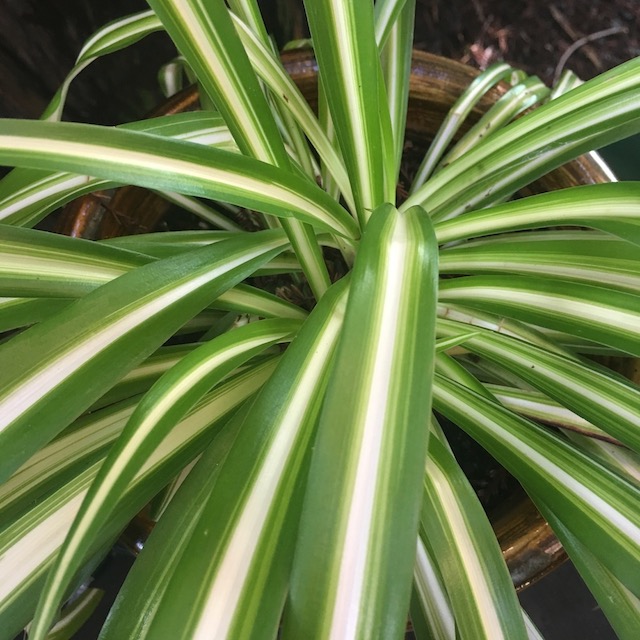
The obligatory Spider Plant, or Chlorophytum comosum, of course it’s on this list.
Spider Plants are easy peasy. Very low maintenance, easy to adapt, and even easier to ignore. Some articles might suggest that you could grow a Spider Plant in your closet if you wanted to. Not so much, but you sure could grow some spider webs. They aren’t the best dark bathroom plant, like ZZ Plants and Sansevierias, but they don’t require a ton of light. They will also tolerate more light. They are happy inside or outside. If you’d rather have your spider plant outside with its other spider friends, definitely place it in mostly shade. If you don’t mind some spiders inside, they’ll prefer your less sunny window over the sunniest, but they aren’t too picky.
6. Coral Cactus
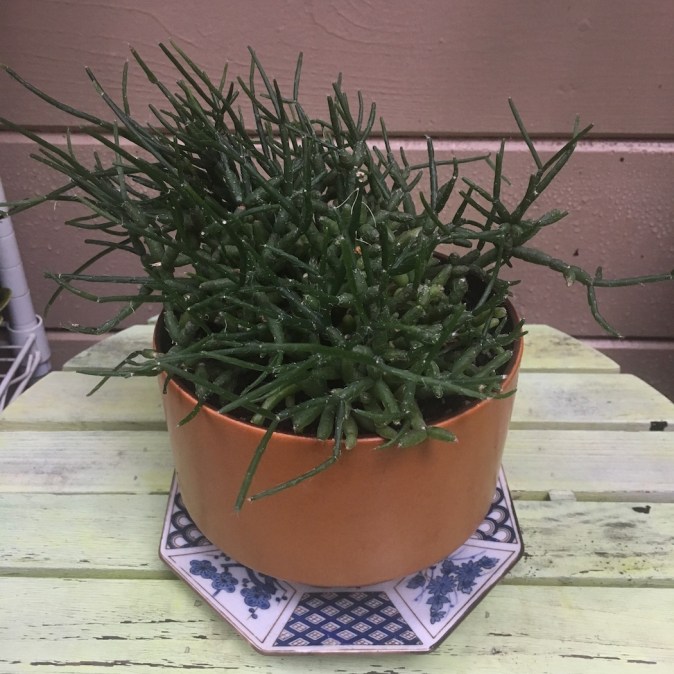
No, Rhipsalis cereuscula is not related to coral, and it does not grow on the ocean floor. It resembles coral though, hence its common name.
There is no need to quarrel with Coral Cactus. Coral Cactus won’t give you any trouble at all. I did have a mealybug infestation on it recently, but that was because it was sitting next to another plant who had them.
Coral Cactus is also a type of epiphytic cacti (like the previously mentioned Holiday Cactus), meaning it grows on trees in Central and South American rainforests. It is not a typical cactus that grows in arid environments with full-sun. The Coral Cactus prefers part-shade, more water than most cacti, and humidity. Still, you can mostly ignore it and it won’t take it personally.
7. Philodendron
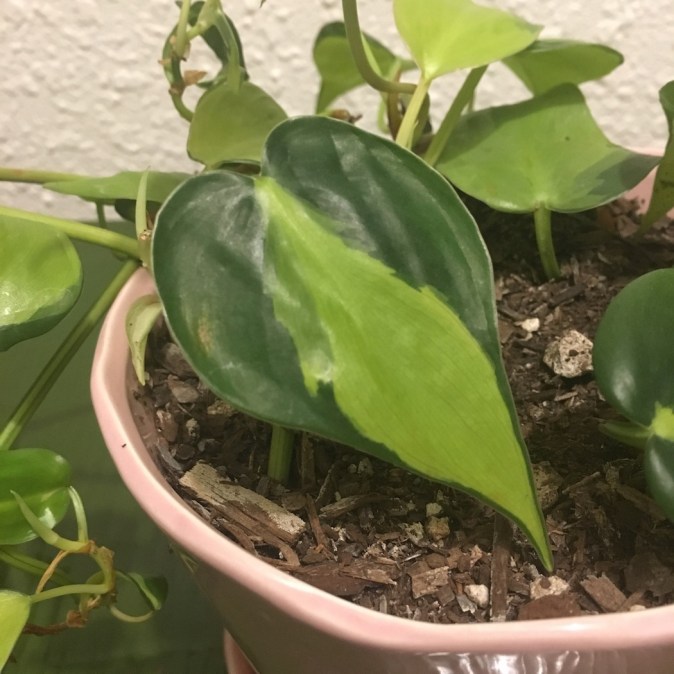
The specific variety featured here is Philodendron hederaceum ‘Brasil’.
This is the oldest houseplant that I own at this point. It has been with me through three moves, including one across the country. It has traveled with me in my car from a road trip coast to coast from Philadelphia to California. I’ve had it since March 2015, which was just shy of 4 years ago. Philodendron and their distant cousin Pothos/Epipremnum are so easy to take care of, it’s almost stupid. They are trailing vines that don’t need a ton of light or water. Although they can survive with chronically dry soil, it’s not their preference. Sure, you can go a couple months without watering them, but after a while, they will droop. Try to water 1-2 times per month. It’s also important to trim off cuttings here and there to promote bushier growth. After a while they can get lanky. If you notice that any of your vines are growing significantly smaller leaves, it’s time for a trim. Just cut right below a node and place a few cuttings in a glass of water. They will easily root and establish themselves after several months. This will also promote the mother plant to fill in with leaves closer to the rootball, giving it a more lush appearance.
Thanks for reading, and I hope you find this list helpful! If it helped you, please let me know by commenting! And as always, never hesitate to ask questions. I will always get back to you within 24 hours.
What are some of your indestructible houseplants?

My Former Coastal Home
~CRK.
If you enjoyed what you read and don’t ever want to miss a post, securely sign-up for my e-mail list here.
All photo rights belong to Cristie R. Kiley. Please ask permission before taking.
 Xylem Rising